‘Bringing one of the most informative CNS testing technologies to the USA’ - Dr William Martin, CEO Lotus Clinical Research
In a strategic partnership with CHDR and Evolution Research Group, Lotus Clinical Research will complete validation and deploy the NeuroKit® at their many sites across the United States. Lotus’ CEO Dr William Martin shares his perspective on this collaboration.
‘Leveraging the legacy of NeuroCart® will enable the CHDR-Lotus Clinical Research-ERG collaboration to bring one of the most informative and validated CNS testing technologies anywhere in the world to the United States’, says Martin. NeuroKit®, a portable version of CHDR’s NeuroCart® CNS test battery, enables objective CNS assessments beyond CHDR’s own Dutch sites, allowing broader access to validated neurophysiological testing. Through this collaboration, Lotus and ERG will introduce NeuroKit across their network of 20 wholly owned, centrally operated US clinical trial sites, which support both early‑ and late‑phase development programs. Martin: ‘Our organisation provides full CRO services, everything that you need to run a trial. A key component of our business is providing clinical development support in programs evaluating new treatments for diseases of the central nervous system. Many of our colleagues, including myself, have spent a good portion of our careers helping to develop new medicines in this space and we are incredibly passionate about the work we do. Given that, several of us already had some prior experience including our scientific leadership team and advisors who have conducted clinical trials with CHDR and the NeuroCart through the years, we’re incredibly enthusiastic about what this partnership with CHDR can bring not only to sponsors, but to patients who are in need of new treatments.’
Objective
Asked why he believes NeuroKit could contribute value to drug development, Dr Martin emphasised the limitations of traditional CNS trials: ‘CNS drug development is inherently challenging due to the lack of hard, objective endpoints. In other disease areas, there are objective measurements such as blood glucose or blood pressure. In psychiatry, however, outcomes often rely on subjective rating scales, which introduce interpretation, variability and all sorts of other challenges that are well known to drug developers.’
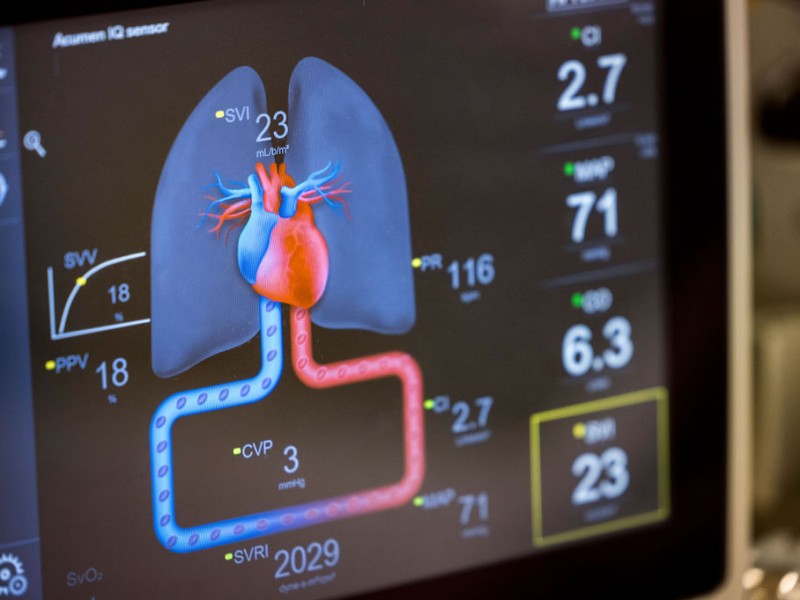
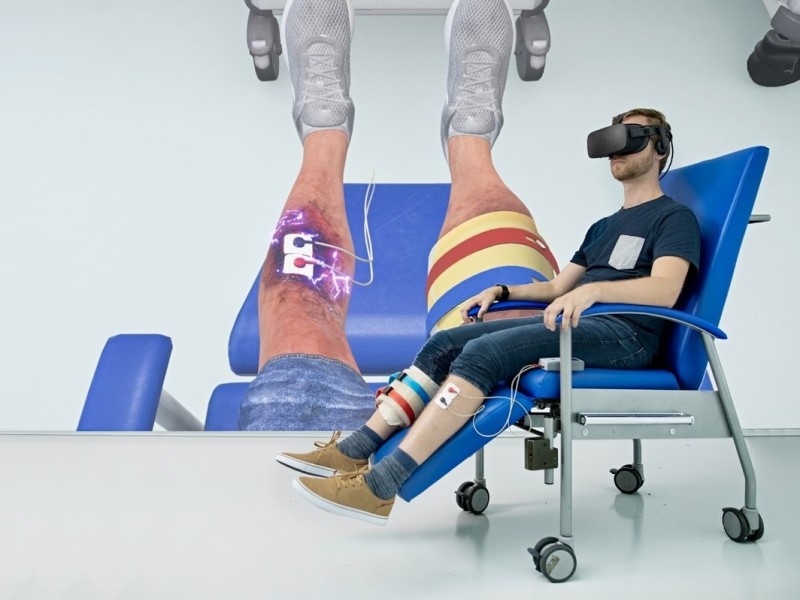
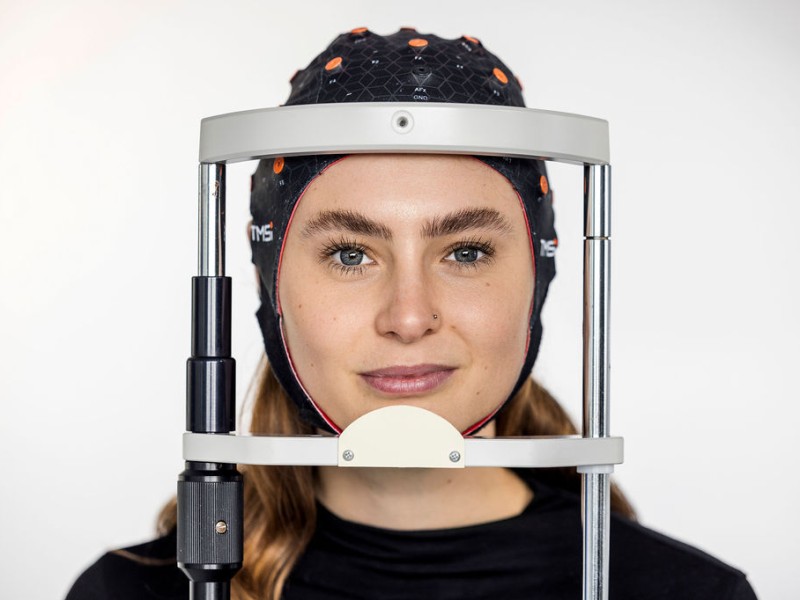
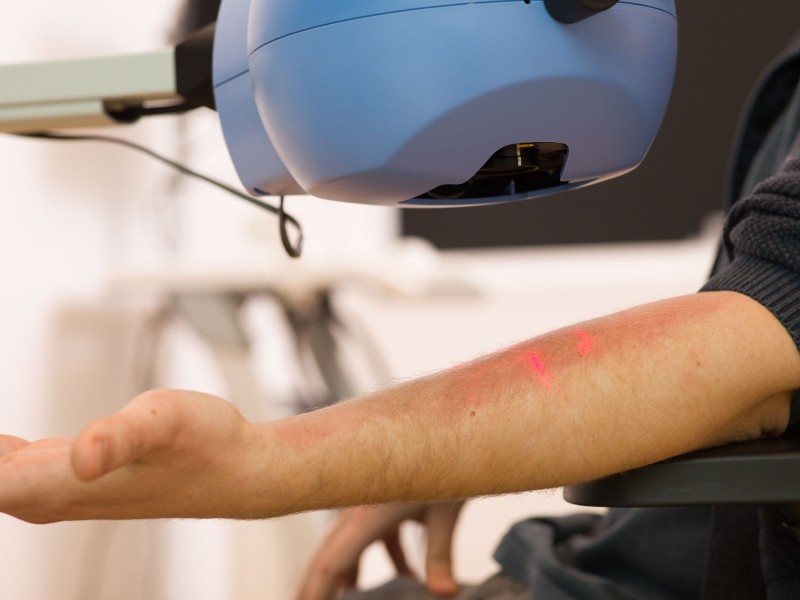
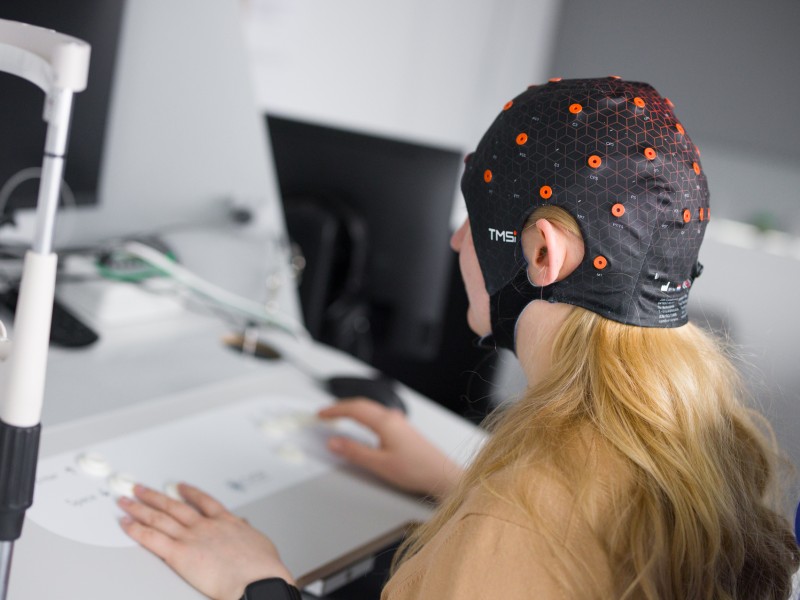
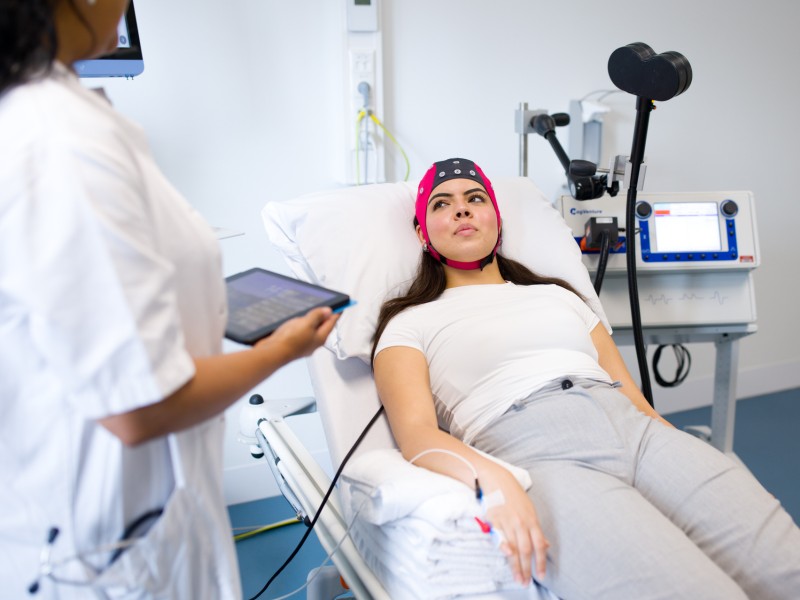
The technology behind NeuroKit is unique in that it offers a broad array of objective assessments through cutting-edge measurements in a portable format. In early stages of drug development, NeuroKit allows one to collect objective data on the performance of an investigational product across an array of tests, whether that be saccadic eye movement, body sway or a number of other objective measures that provide insights into a drug’s emerging pharmacological effect. Additionally, drug developers can gain early insights into off-target effects that might identify safety or tolerability challenges later in drug development. These early reads are of substantial value to drug developers, often saving considerable time and capital in clinical development programs.
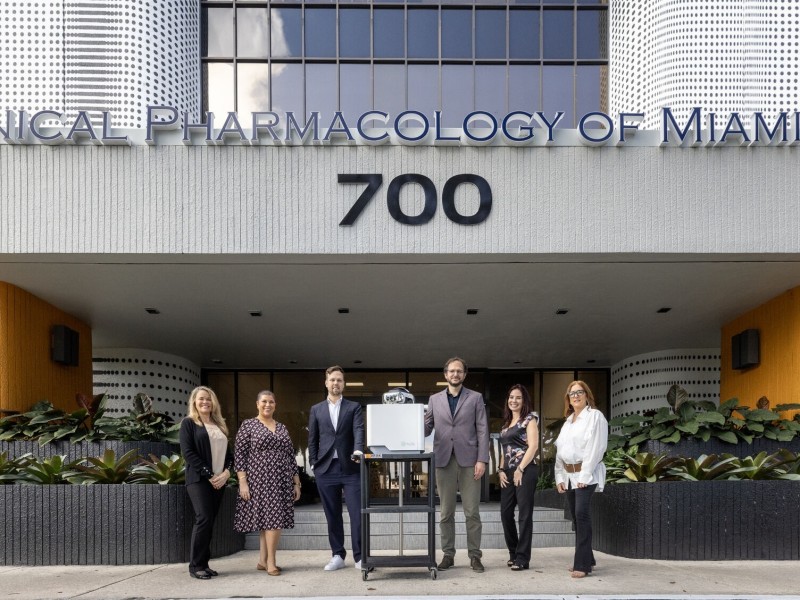
From a strategic standpoint, Dr Martin highlighted the importance of geographic accessibility: ‘From a business perspective, there is a clear ‘convenience factor’ for organisations that may be unable to conduct trials with CHDR in the Netherlands due to regulatory or other logistical constraints. Prior to the creation and availability of NeuroKit, CHDR was the only facility worldwide offering access to this drug development tool. Today, we are now able to offer this technology in the United States through Lotus Clinical Research at some of the most highly sought after clinical trial centres, including Clinical Pharmacology of Miami (CPMI). Our ultimate goal is to support the development of and accelerate access to new medicines more efficiently to improve patients’ lives. This collaboration also creates opportunities to extend the technology into patient populations, such as schizophrenia and Alzheimer’s disease.’
‘The first step in our collaboration was the successful validation of NeuroKit against the NeuroCart in a healthy volunteer setting at CHDR. Our second validation trial of the NeuroKit is just getting underway at ERG’s CPMI Phase 1 unit, which will further strengthen confidence for drug developers in our ability to generate robust, reproducible data. Effectively, this positions us to initiate our first investigational drug trials using NeuroKit in the second quarter of this year.’
Interested in learning more?
More articles from Developing methods